
Magic Mushrooms
How to Choose the Right Mushroom Strain: A Canadian Guide
Sep
Shrooms Delivery Canada: How to Choose the Right Mushroom Strain: A Canadian Guide
As a magic mushroom enthusiast in Canada, choosing the right strain of mushroom is always a challenge, with too many names and varieties available in the market. Shroomsdelivery.ca will help and guide you throughout the journey in this blog.
Are you interested magic mushroms, in shrooms delivery, or getting shrooms delivered within Canada? Dried magic mushrooms for psychedelic purposes, altering perception, mood, and thought or looking for just general education about different types of shrooms, it important to carefully look at the various strains because name alone can be confusing.
Usually base on flavor, textures, growing equipment and even preferred environments mushrooms srains comes in different varieties with some popular within the canadian market and Canadian Psychedelics community. It is very important to have a good mastery of mushrooms strains available within Canada.
As a mushrooms lover one of the best way recommended by Shroomsdelivery Canada is firstly by knowing what you want from mushrooms, then with that it will guide you towards making a perfect choice of strain..
We will explain the major factors to consider when comparing mushrooms strains and varieties with Canadian Readers in mind.
What Is a Mushroom Strain?
A mushroom strain generally refers to a particular genetic line or cultivated variant within a broader mushroom species.
The terms species, strain, variety, and cultivar are sometimes used interchangeably in casual mushroom discussions, but they can describe different levels of biological classification.
For example, a species may contain multiple cultivated varieties or strains that display differences in growth rate, appearance, fruiting characteristics, environmental preferences, or other traits.
This is why two mushrooms belonging to the same broad species may not necessarily behave identically.
When comparing mushroom strains, it is therefore important to look beyond the name and understand the characteristics associated with that particular variety.
Why Does Choosing the Right Mushroom Variety Matter?
Selecting the appropriate mushroom variety can make a significant difference depending on your intended purpose.
For culinary mushrooms, flavour and texture may be the most important considerations. A variety that works beautifully in a stir-fry may not be ideal for a soup or sauce.
For cultivation, environmental requirements become much more important. Temperature, humidity, substrate, airflow, light, and growing method can all influence results.
For identification, accurate species information is essential because mushrooms can look surprisingly similar despite having very different properties.
For beginners, choosing a well-documented variety with plenty of reliable information available can also make the learning process considerably easier.
In other words, there is no single “best” mushroom strain for everyone.
There is only the variety that best matches your particular purpose.
How to Choose a Mushroom Strain or Variety
1. Start With Your Intended Use
Before comparing names, ask yourself one simple question:
What do I want to use this mushroom for?
This is the most important starting point.
If your goal is cooking, focus on edible varieties and consider flavour, texture, availability, storage, and preparation.
If you’re interested in cultivation, investigate the environmental conditions and growing methods associated with the variety.
If you’re interested in mushroom identification, prioritize reputable identification resources and learn the distinguishing characteristics of the species.
Starting with your intended use prevents you from choosing a variety simply because it has an interesting name or attractive appearance.
2. Learn the Difference Between Species and Strains
One of the most common sources of confusion is treating every mushroom name as though it describes the same biological category.
A species is a broader biological classification. A strain generally refers to a particular genetic line within that species.
This distinction matters because characteristics can vary between strains while still remaining within the same species.
When researching mushroom strains, look for information from reliable sources that clearly identifies the species and explains what is known about the particular variety.
Avoid relying entirely on marketing descriptions or anonymous online lists.
3. Consider Appearance
Appearance can be useful when comparing mushroom varieties, particularly for culinary or cultivation purposes.
Look at characteristics such as:
- Cap shape
- Cap colour
- Stem structure
- Overall size
- Texture
- Growth pattern
- Maturity characteristics
However, appearance should not be used as the only method of identifying a wild mushroom.
Many mushrooms can look similar, and visual identification alone may be unreliable.
If you are unsure about a wild mushroom, don’t consume it simply because it resembles a photograph or description found online.
4. Consider Flavour and Texture
For culinary mushrooms, flavour and texture are major deciding factors.
Some edible mushrooms have a delicate flavour and soft texture, while others are firmer, meatier, earthy, nutty, or aromatic.
Consider how you intend to cook the mushrooms.
For example, a mushroom with a firm texture may work particularly well when sautéed or grilled, while a delicate variety may be better suited to sauces, soups, or lighter dishes.
Cooking method also changes the final texture and flavour, so choosing a variety should ideally take the entire recipe into account.
5. Consider Growing Conditions
If you’re interested in cultivating legal edible mushrooms, environmental requirements should be near the top of your checklist.
Different varieties can prefer different combinations of:
- Temperature
- Humidity
- Fresh-air exchange
- Substrate
- Light exposure
- Moisture
- Growing containers
- Fruiting conditions
A variety that performs well in one environment may perform poorly in another.
Canadian growers should pay particular attention to seasonal conditions. Indoor cultivation can provide greater environmental control, while outdoor cultivation is more dependent on local weather and seasonal conditions.
Before choosing a strain, research the environmental requirements and determine whether your available setup can realistically provide them.
6. Think About Your Experience Level
Not every mushroom variety is equally suitable for beginners.
If you’re new to mushroom cultivation, a variety with extensive documentation and established cultivation information may be easier to work with than an uncommon variety with limited reliable information.
Beginners should prioritize:
Clear instructions + predictable requirements + reliable information.
Once you’ve developed more experience, experimenting with different varieties becomes easier because you’ll have a better understanding of how environmental factors affect mushroom growth.
7. Research the Source of the Information
The quality of information matters just as much as the variety you’re researching.
Search results can contain outdated, exaggerated, or poorly sourced claims. This is especially important when researching mushrooms because terminology can vary considerably between websites.
Look for information supported by:
- Universities
- Government resources
- Mycological organizations
- Established cultivation references
- Reputable culinary resources
- Scientific publications
Be cautious about websites making unusually strong claims without providing evidence.
A professional-looking website does not automatically mean its mushroom information is accurate.
Popular Categories of Edible Mushrooms
Canada has access to a wide range of edible mushroom varieties, both locally grown and imported.
Some familiar examples include:
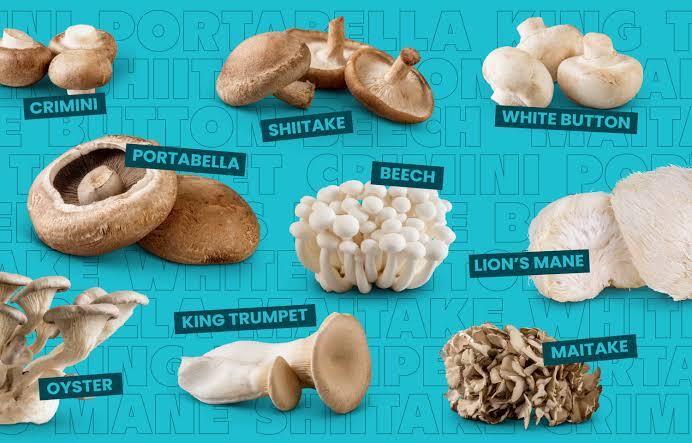
Oyster Mushrooms
Oyster mushrooms are popular among home cooks and growers because of their distinctive shape, relatively delicate flavour, and versatile texture.
They can be sautéed, roasted, incorporated into soups, or used in a variety of plant-forward dishes.
Shiitake Mushrooms
Shiitake mushrooms are widely used in Asian-inspired cooking and are known for their rich, savoury flavour.
They work well in stir-fries, broths, noodle dishes, sauces, and other recipes where a deeper mushroom flavour is desirable.
Lion’s Mane
Lion’s mane has become increasingly popular among mushroom enthusiasts because of its unusual appearance and distinctive texture.
When cooked, it develops a firm, fibrous texture that has made it particularly interesting to people exploring plant-based culinary options.
Cremini and Portobello
Cremini and portobello mushrooms are familiar choices in Canadian grocery stores.
They belong to the same species at different stages of maturity and can be used in everything from pasta and pizza to burgers, sauces, soups, and roasted dishes.
What About Psychoactive Mushroom Strains?
The term “mushroom strain” is also frequently used online in discussions about psychoactive mushrooms.
This is an area where consumers should be especially careful.
Legal status, possession, production, sale, and distribution of substances containing psilocybin are governed by Canadian law and applicable regulations. Laws and enforcement circumstances can also change. Below are a short list of some magic mushrooms strains available in Canada
Golden Teacher Magic Mushrooms
Penis Envy Magic Mushrooms
B+ Magic Mushrooms | Shroomsdelivery
Blue Meanie Magic Mushrooms
Blue Meanie: A name used for a potent Psilocybe cubensis strain as well as a separate, highly potent species (Panaeolus cyanescens). Canadian grey-market sellers often feature the cubensis version, known for intense visual and euphoric effects. you can order it here at shroomsdelivery
Melmac Magic Mushrooms Canada
Common Mistakes When Choosing Mushroom Strains
Choosing Based Only on the Name
An unusual or memorable strain name does not necessarily indicate quality.
Look at documented characteristics instead.
Ignoring Your Growing Environment
Choosing a variety without considering temperature, humidity, substrate, or airflow can lead to disappointing results.
Trusting Unverified Claims
Be especially cautious about claims involving extraordinary health effects, guaranteed results, or highly specific characteristics that aren’t supported by reliable evidence.
Confusing Identification With Appearance
Never assume that a mushroom is safe to eat solely because it resembles a photograph online.
Buying Before Researching
Research first and make decisions second.
Understanding what you’re getting, where it comes from, and how it is intended to be used can prevent unnecessary problems.
A Simple Mushroom-Strain Selection Checklist
Before choosing a mushroom variety, ask:
What is my intended use?
Cooking, cultivation, education, identification, or another lawful purpose?
What characteristics matter most?
Flavour, texture, appearance, growing conditions, availability, or something else?
Can I provide the required environment?
If you’re cultivating edible mushrooms, check the temperature, humidity, substrate, airflow, and other requirements.
Is the information reliable?
Look for credible sources rather than relying on unsupported claims.
Is the mushroom legally available for my intended purpose?
Canadian regulations can differ depending on the substance and activity, so verify the applicable rules.
Do I understand the risks?
When dealing with wild fungi or unfamiliar species, uncertainty should always be treated seriously.
Frequently Asked Questions
What is the best mushroom strain for beginners?
There is no universally best mushroom strain for beginners. The right choice depends on your purpose, experience, environment, and the amount of reliable information available about the variety.
For culinary cultivation, beginners may benefit from choosing an edible variety with well-documented growing requirements and readily available educational resources.
What is the difference between a mushroom species and a strain?
A species is a broader biological classification, while a strain generally refers to a particular genetic line within a species. Different strains can have different characteristics while belonging to the same species.
How do I choose an edible mushroom variety?
Start by considering flavour, texture, intended recipe, availability, and whether the mushroom is reliably identified as edible. If you’re growing mushrooms, also consider environmental requirements and your available setup.
Are all mushrooms safe to eat?
No. Some mushrooms are edible, some are inedible, and some can be poisonous. Never consume an unidentified wild mushroom based solely on its appearance or an online photograph.
Which mushroom is easiest to grow?
The answer depends on your growing setup and experience. For beginners, a well-documented edible variety with manageable environmental requirements is generally a better starting point than a rare or poorly documented variety.
Can mushroom strains have different characteristics?
Yes. Different strains or cultivated varieties can differ in appearance, growth behaviour, environmental preferences, texture, and other characteristics.
How should I research a mushroom strain?
Start with the species name, then look for information from universities, government agencies, established mycological organizations, scientific publications, and reputable cultivation references.
Are mushroom varieties regulated in Canada?
It depends on the particular mushroom and intended activity. Edible culinary mushrooms are treated differently from controlled substances, and regulations can change. Always verify current Canadian rules for the specific mushroom and activity you’re considering.
ShroomsdeliveredCanada: Finally Choose a Mushrooms Strain Based On Proven Facts and Not Hype
Over the years we have always advice our client that choosing the right strain of mushroom would become very easy if they stop looking at the best option, but rather identify the features for suits their particular goal.
For certain types of mushrooms like the Culinary, it important to focus on the flavor, texture, freshness, and type of dishes you want to prepare.
To cultivate mushrooms, focus on environmental requirements, available equipment, experience level, and reliable growing information.
For mushroom identification, put safety and accurate identification ahead of curiosity.
And when researching unfamiliar mushroom varieties, always separate documented information from unsupported marketing claims.
The Canadian mushroom scene continues to offer plenty of interesting varieties to explore. With careful research and a clear understanding of your purpose, you can make much more informed decisions about the mushrooms you choose.
