
Magic Mushrooms in Canada – Basics and Guides - Shrooms Delivery Canada
What Are Magic Mushrooms and How Do They Work in the Brain – Shrooms Delivery Canada
Jan
What Are Magic Mushrooms and How Do They Work in the Brain – Shrooms Delivery Canada
For decades, they were symbols of counterculture rebellion, often associated with tie-dye shirts and music festivals. But recently, magic mushrooms and specifically their active ingredient, psilocybin, have moved from the fringes of society into high-tech laboratories and therapy clinics. Scientists are uncovering fascinating details about how these fungi interact with human biology, and the results are changing our understanding of the mind itself.
But what exactly are magic mushrooms? Beyond the cultural baggage and colorful history, there is a complex biological interaction happening every time someone consumes them. To understand their potential benefits and risks, we need to look under the hood of the human brain. This article explores the biology of psilocybin, how it alters perception, and what modern neuroscience tells us about the psychedelic experience.
The Basics: What Are Magic Mushrooms ?
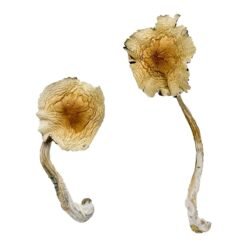
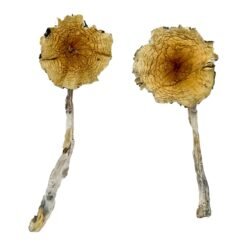
“Magic mushrooms” is the catch-all term for over 200 species of fungi that contain psilocybin and psilocin. These chemical compounds are naturally occurring psychoactive substances. The most well-known species is Psilocybe cubensis, often recognized by its golden-brown cap and purple-black spores. While they grow naturally in many parts of the world, from the damp forests of the Pacific Northwest to the tropical regions of South America, they have been cultivated and used by humans for thousands of years.
Indigenous cultures in Mexico and Central America have used these mushrooms in religious and healing rituals long before recorded history. They referred to them as “teonanácatl,” which translates to “flesh of the gods.” For these cultures, the mushrooms weren’t recreational drugs but sacred tools for communicating with the divine and healing the community.
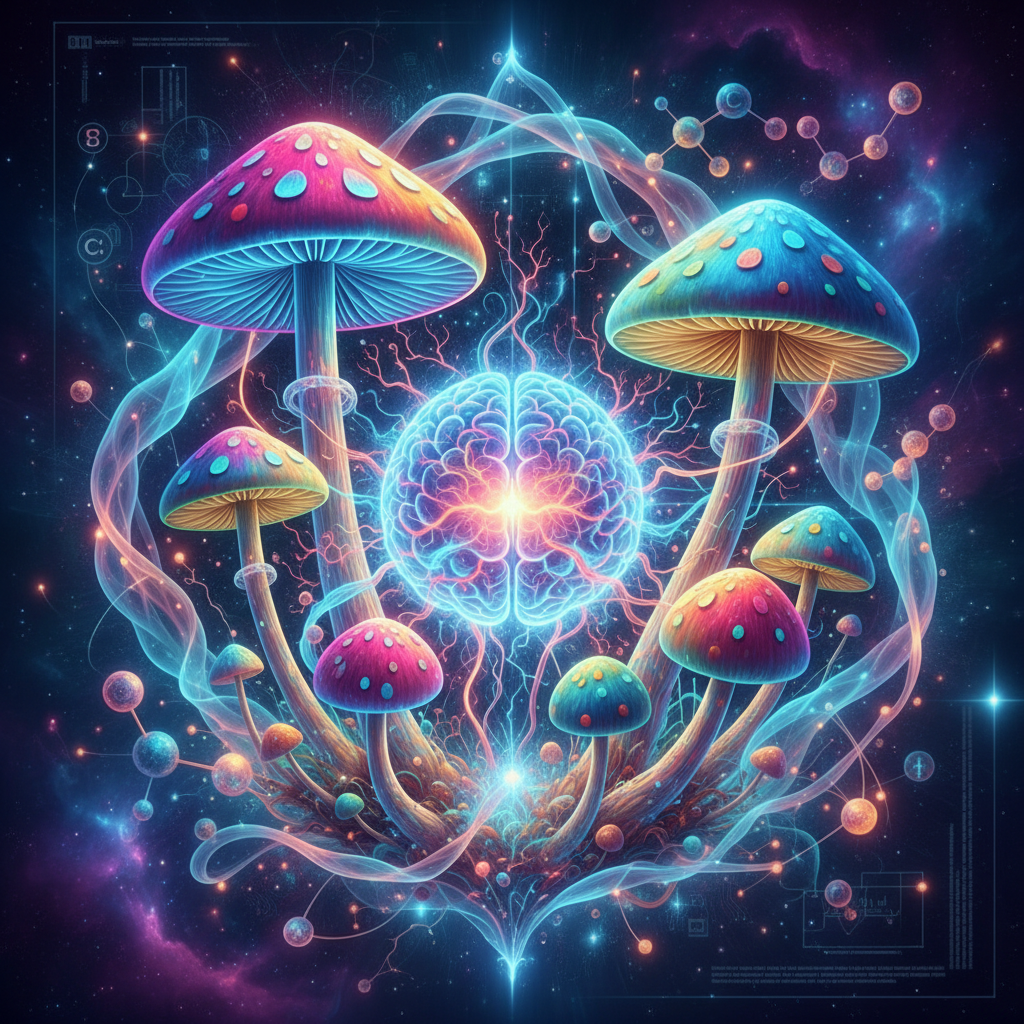
When you ingest these mushrooms, your body breaks down the psilocybin into psilocin. This is the chemical that actually does the heavy lifting in your brain. Psilocin is structurally very similar to serotonin, a neurotransmitter that plays a crucial role in regulating mood, sleep, and perception. Because of this structural similarity, psilocin can fit into the same receptors in the brain that serotonin uses, essentially “hacking” the system to produce profound changes in consciousness.
The Mechanism: Psilocybin and Serotonin Receptors
To understand how magic mushrooms work, you have to look at the serotonin 2A receptor (5-HT2A). This specific receptor is found in high densities in the cortex, the outer layer of the brain responsible for high-level functions like consciousness, reasoning, and sensory perception. When psilocin binds to these receptors, it doesn’t just activate them; it changes how they signal.
Imagine your brain as a massive office building where serotonin is the manager sending standard emails to employees (neurons) to keep operations running smoothly. Psilocin is like a temporary consultant who comes in and starts sending entirely different memos. Suddenly, departments that never talk to each other are collaborating, and the usual strict hierarchy of communication breaks down.
This activation of the 5-HT2A receptor leads to a cascade of neural activity. It increases the release of glutamate, the brain’s primary excitatory neurotransmitter, in the prefrontal cortex. This area of the brain is associated with mood, cognition, and perception. The result is the “trip”—a temporary state of altered reality where colors seem brighter, patterns emerge on blank surfaces, and time feels distorted.
What Are Magic Mushrooms – Rewiring the Brain: Connectivity and Chaos
One of the most groundbreaking discoveries in psychedelic science is how psilocybin changes brain connectivity. In a normal waking state, your brain operates with a certain level of rigidity. Different networks—like the visual network or the auditory network—do their specific jobs and generally stay in their lanes. This efficiency allows us to navigate daily life without being overwhelmed by sensory input.
Under the influence of magic mushrooms, this segregation collapses. Functional MRI (fMRI) scans of brains on psilocybin show a dramatic increase in “cross-talk” between regions that usually don’t communicate directly. The visual cortex might start talking to the auditory cortex, which can lead to synesthesia—a phenomenon where people might “see” sounds or “hear” colors.
This hyper-connectivity is often described by researchers as a more “entropic” state. Entropy, in this context, refers to a measure of disorder or randomness. While that sounds negative, a temporary increase in brain entropy can actually be beneficial. It allows the brain to escape rigid patterns of thinking. This is why people often report having epiphany-like realizations or viewing old problems from entirely new perspectives during a psychedelic experience. The brain is literally making connections it has never made before.
The Ego and the Default Mode Network
Perhaps the most profound effect of magic mushrooms is what happens to the “self.” Many users report a dissolution of their ego—the sense of being a distinct individual separated from the rest of the world. Neuroscientists believe this experience is linked to the quieting of the Default Mode Network (DMN).
The DMN is a network of interacting brain regions that is active when you are not focused on the outside world. It’s the part of the brain responsible for daydreaming, thinking about the past or future, and maintaining your self-narrative or “autobiographical self.” It is the neural home of the ego.
In people with depression or anxiety, the DMN is often overactive. They might be stuck in loops of negative self-talk or obsessive rumination about past failures. Psilocybin dramatically reduces blood flow and electrical activity in the DMN. It effectively takes this network offline for a few hours.
When the DMN quiets down, the boundaries between “self” and “other” blur. This can lead to a feeling of unity with the universe, nature, or humanity—a sensation often described as “oceanic boundlessness.” For someone suffering from rigid, negative thought patterns, this temporary shutdown can be incredibly therapeutic. It serves as a reset button, allowing them to step outside their usual narrative and see their life without the filter of a depressed or anxious ego.
Neuroplasticity: The Afterglow Effect
The effects of magic mushrooms don’t end when the drug leaves the system. Users often report an “afterglow”—a period of elevated mood and reduced anxiety that can last for days or weeks. Science suggests this is due to neuroplasticity, the brain’s ability to reorganize itself by forming new neural connections.
Research indicates that psychedelics like psilocybin can actually stimulate the growth of new dendrites and spines on neurons. These are the structures that allow neurons to receive signals from other neurons. In animal studies, a single dose of psilocybin led to an immediate and long-lasting increase in the density of these connections.
Think of a depressed brain as a snowy hill where sleds have gone down the same path a thousand times. The grooves are deep, and it is almost impossible to steer the sled out of them. Psilocybin is like a fresh layer of powder snow. It covers the old tracks, allowing the sled (your thoughts) to carve new, healthier paths. This window of increased plasticity is why psilocybin is showing such promise in therapy. It doesn’t just mask symptoms; it opens a biological window of opportunity for patients to build new cognitive habits.
The Therapeutic Potential
The unique way magic mushrooms impact the brain has led to a renaissance in psychedelic research. Clinical trials are currently exploring psilocybin-assisted therapy for a range of conditions, primarily treatment-resistant depression, end-of-life anxiety, and addiction.
In these therapeutic settings, patients don’t just take a pill and go home. They receive a measured dose of synthetic psilocybin in a controlled, comfortable room, supervised by two trained therapists. The goal is to use the drug’s ability to lower defenses and increase emotional openness to process difficult trauma or emotions.
For depression, the results have been compelling. Studies from institutions like Johns Hopkins University and Imperial College London have shown that psilocybin therapy can produce rapid and sustained antidepressant effects, sometimes after just one or two sessions. This is a stark contrast to traditional antidepressants like SSRIs, which often take weeks to work and must be taken daily.
Similarly, in smoking cessation studies, psilocybin combined with cognitive behavioral therapy showed success rates significantly higher than traditional methods. By disrupting the rigid neural patterns associated with addiction and reducing the activity of the DMN, psilocybin seems to help people break the cycle of craving and consumption.
The Risks and Safety Considerations
While the science is exciting, it is vital to approach magic mushrooms with caution. They are not a miracle cure, and they are not without risks. Psilocybin is a powerful substance that induces an intense altered state of consciousness.
One of the primary risks is the “bad trip.” Because psilocybin amplifies emotions and dissolves boundaries, it can also amplify fear and anxiety. If a person takes mushrooms in an unsafe environment or while in a poor mental state (often referred to as “set and setting”), they can experience overwhelming paranoia, confusion, or panic. While these experiences are usually temporary, they can be psychologically distressing.
Furthermore, psilocybin is not suitable for everyone. People with a personal or family history of psychotic disorders, such as schizophrenia or bipolar disorder, are generally excluded from clinical trials. There is a concern that psychedelics could trigger a psychotic episode in those predisposed to these conditions.
Physiologically, psilocybin is considered relatively safe compared to many other drugs. It has a very low toxicity, meaning it is virtually impossible to die from a physical overdose of the mushrooms themselves. However, people under the influence can engage in risky behaviors due to impaired judgment and perception, which makes supervision essential.
Current Legal Status and the Future
Despite the promising research, magic mushrooms remain illegal in most parts of the world. In the United States, psilocybin is classified as a Schedule I substance, defined as having no currently accepted medical use and a high potential for abuse. This classification has historically made research difficult and funding scarce.
However, the tide is turning. Several U.S. cities, including Denver, Oakland, and Santa Cruz, have decriminalized personal possession of magic mushrooms. Oregon became the first state to legalize psilocybin for supervised therapeutic use. Internationally, countries like Canada and Australia are also loosening restrictions to allow for compassionate use in medical settings.
As laws evolve and stigma fades, we are likely to see a shift in how we view these fungi. They are moving from being seen as dangerous street drugs to being recognized as sophisticated molecular tools for probing the mysteries of the brain.
Conclusion: A New Frontier for Mental Health?
Magic mushrooms are far more than a relic of the 1960s. They represent a unique intersection of biology, psychology, and spirituality. By binding to serotonin receptors, disrupting the Default Mode Network, and fostering global brain connectivity, psilocybin offers a radical departure from our standard operating consciousness.
The ability of these compounds to “shake the snow globe” of the brain offers hope for those stuck in rigid patterns of mental illness. While we are still in the early stages of understanding the full scope of their mechanisms, the data suggests that psilocybin could revolutionize mental health care.
However, reverence is required. The brain is a delicate instrument, and while magic mushrooms can play a symphony on its strings, they require a skilled conductor. As research continues, the focus must remain on safety, education, and responsible use. Understanding how magic mushrooms work in the brain doesn’t just tell us about a drug; it teaches us about the flexibility, resilience, and profound depth of the human mind itself.
Buy Dried Magic Mushrooms Online
Buy Dried Magic Mushrooms Online
Buy Dried Magic Mushrooms Online
Buy Dried Magic Mushrooms Online
Buy Dried Magic Mushrooms Online
Buy Dried Magic Mushrooms Online
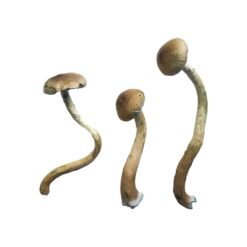
Buy Dried Magic Mushrooms Online
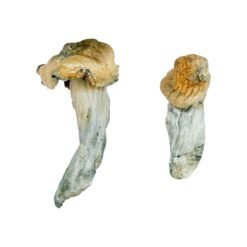
Buy Dried Magic Mushrooms Online
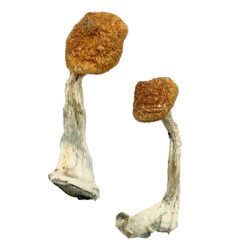
Buy Dried Magic Mushrooms Online
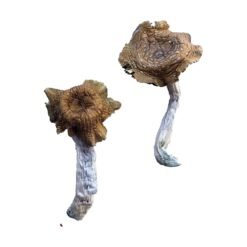
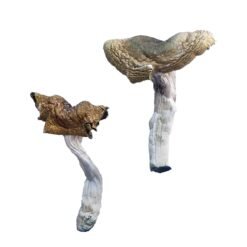
Buy Dried Magic Mushrooms Online
