
Magic Mushrooms in Canada – Basics and Guides - Shrooms Delivery Canada
Psilocybin vs Other Psychedelics: Key Differences
Jan
Psilocybin vs Other Psychedelics: Key Differences
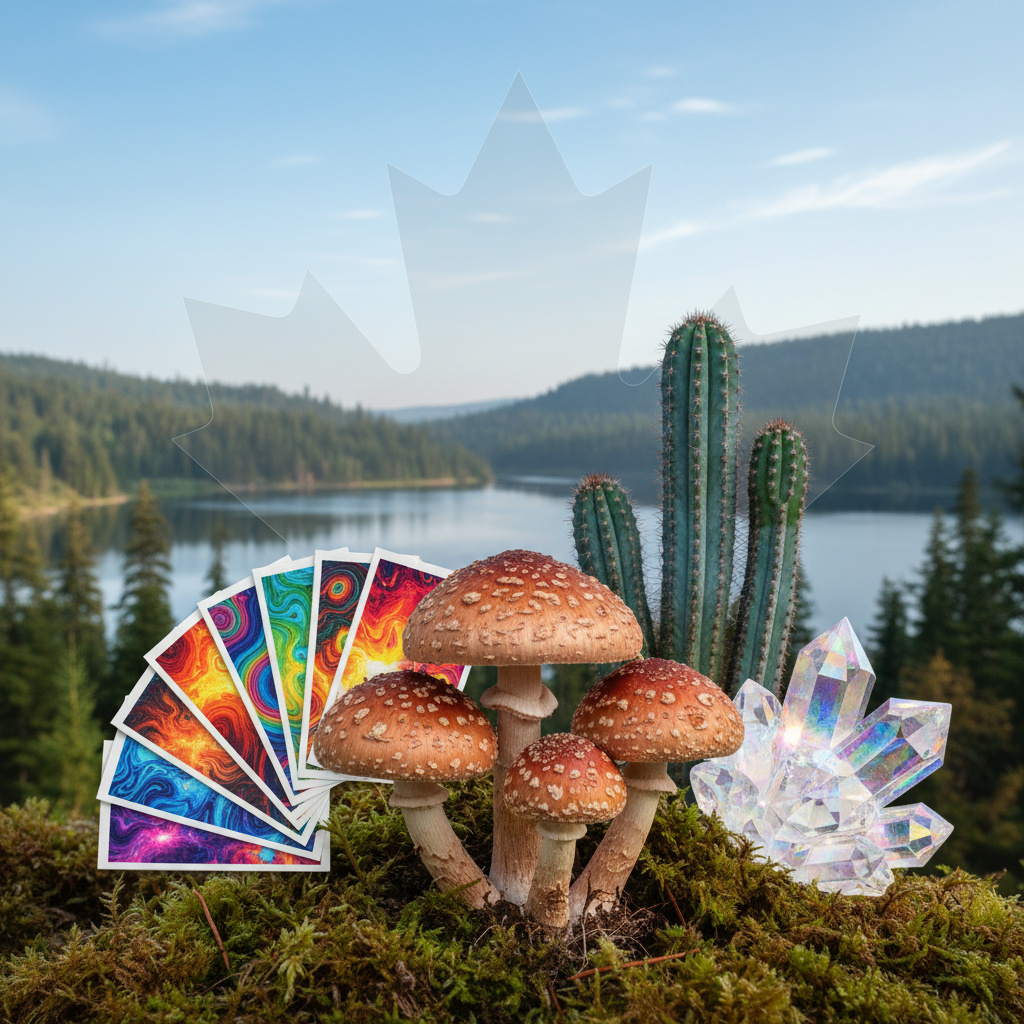
The world of psychedelics is vast and varied, offering a spectrum of experiences that have fascinated humanity for centuries. From ancient rituals to modern therapeutic research, these powerful compounds have played a significant role in culture, medicine, and personal exploration. At the center of this resurgence of interest is psilocybin, the active compound in magic mushrooms. But how does it stack up against other well-known psychedelics like LSD, DMT, and mescaline?
Understanding the distinctions is crucial for anyone considering a journey into altered states of consciousness. While these substances share the ability to profoundly shift perception, their effects, duration, origins, and legal status can differ dramatically. This guide will walk you through a detailed comparison, providing the clarity needed to navigate this fascinating landscape. We will explore the unique characteristics of each, helping you understand what makes psilocybin a distinct and widely sought-after psychedelic.
What is Psilocybin?
Psilocybin is a naturally occurring psychedelic compound found in over 200 species of fungi, collectively known as magic mushrooms. When ingested, the body converts psilocybin into psilocin, which is the substance that produces the psychoactive effects. These effects are primarily caused by psilocin’s interaction with serotonin receptors in the brain, particularly the 5-HT2A receptor.
This interaction disrupts normal brain communication patterns, leading to altered perceptions, deep introspection, and a sense of connection to the world. For millennia, indigenous cultures in Mesoamerica used these mushrooms in religious and spiritual ceremonies. Today, psilocybin is at the forefront of a psychedelic research renaissance, being studied for its potential to treat conditions like depression, anxiety, and PTSD.
For those in Canada looking to explore the world of magic mushrooms, finding a reliable source is paramount. Shrooms Delivery Canada offers a curated selection of high-quality psilocybin products, ensuring a safe and consistent experience for both new and seasoned users. Their commitment to quality and customer education makes them the best online site for magic mushrooms.
The Psilocybin Experience
A psilocybin journey is often described as introspective, emotional, and spiritual. Users may experience:
- Visuals: Bright colors, geometric patterns, and distorted objects.
- Emotional Shifts: Intense feelings of joy, empathy, or awe, but also potential for anxiety or confusion.
- Cognitive Changes: Deep personal insights, philosophical thoughts, and a dissolution of the ego or “self.”
- Duration: Typically lasts between 4 to 6 hours, with effects peaking around 90 minutes after consumption.
The experience is highly dependent on set (mindset) and setting (environment). A positive mindset and a safe, comfortable environment are key to a beneficial journey.
Psilocybin vs. LSD (Lysergic Acid Diethylamide)
LSD is perhaps one of the most famous psychedelics, synthesized in 1938 by Albert Hofmann. Unlike psilocybin, which is natural, LSD is a semi-synthetic compound derived from ergot, a fungus that grows on rye.
Key Differences:
1. Origin and Chemical Structure:
- Psilocybin: Natural, a tryptamine derived from fungi.
- LSD: Semi-synthetic, a lysergamide derived from ergot. Its molecular structure is more complex and potent.
2. Potency and Dosage:
LSD is incredibly potent. A typical dose is measured in micrograms (millionths of a gram), usually ranging from 50 to 150 micrograms. Psilocybin is dosed in grams of dried mushrooms or milligrams of pure compound. A standard dose might be 1-3 grams of Psilocybe cubensis mushrooms. LSD is hundreds of times more potent by weight.
3. Duration of Effects:
This is one of the most significant differences.
- Psilocybin: 4-6 hours.
- LSD: 8-12 hours, and sometimes longer.
This extended duration makes an LSD experience a much larger time commitment and can be more mentally and physically taxing.
4. Nature of the Experience:
While both can produce profound insights and visuals, users often report qualitative differences.
- Psilocybin: Often described as more “earthy,” organic, and introspective. Many find it has a gentle, dream-like quality that fosters emotional processing and connection to nature.
- LSD: Tends to be more stimulating and “electric.” The experience can feel more analytical, cerebral, and energetic, with users reporting sharper visuals and a faster flow of thoughts.
Read a scientific study on LSD’s therapeutic potential by the Beckley Foundation.
Psilocybin vs. DMT (N,N-Dimethyltryptamine)
DMT, often called “The Spirit Molecule,” is another naturally occurring tryptamine found in numerous plants and animals. It is the primary psychoactive component in the ceremonial Amazonian brew, ayahuasca. DMT can also be synthesized or extracted as a crystal and then smoked or vaporized.
Key Differences:
1. Method of Consumption and Duration:
The way DMT is consumed drastically changes its effects.
- Vaporized/Smoked DMT: The experience is incredibly intense but extremely short. It comes on within seconds and typically lasts only 5 to 15 minutes. Users often report being transported to other dimensions and encountering complex geometric patterns or entities.
- Ayahuasca (Oral DMT): When DMT is consumed orally as part of ayahuasca, it is combined with a plant containing a MAO inhibitor (MAOI). This allows the DMT to become orally active and extends the journey to 4-8 hours.
- Psilocybin: Consumed orally, the 4-6 hour duration sits between the two primary forms of DMT experiences.
2. Intensity and Experience:
- Psilocybin: The onset is gradual, allowing the user to ease into the experience. While it can be intense, it generally feels more grounded in the user’s current reality, even with ego dissolution.
- Vaporized DMT: Often described as a complete and total separation from reality. The intensity is overwhelming for many, a “breakthrough” experience that defies easy description. It is less about introspecting on one’s life and more about being thrust into an alien or spiritual realm.
- Ayahuasca: Similar in length to psilocybin, but often accompanied by a physical “purge” (vomiting or diarrhea), which is considered a spiritual cleansing. The visions are often seen as more narrative-driven and instructive.
3. Cultural Context:
- Psilocybin: Has a rich history in Mesoamerican cultures but has been widely adopted in Western counterculture and now, modern therapy.
- DMT (Ayahuasca): Deeply rooted in the shamanic traditions of the Amazon basin, where it is used for healing and divination. Its use in the West is often tied to these traditional ceremonial contexts.
Learn more about different magic mushroom strains and their potencies.
Psilocybin vs. Mescaline
Mescaline is a naturally occurring psychedelic alkaloid of the phenethylamine class. Its most famous source is the peyote cactus (Lophophora williamsii), but it is also found in other cacti like the San Pedro (Echinopsis pachanoi) and Peruvian Torch (Echinopsis peruviana). Like psilocybin and ayahuasca, mescaline has a long history of use in indigenous spiritual practices.
Key Differences:
1. Chemical Class and Origin:
- Psilocybin: A tryptamine, sourced from fungi. Tryptamines tend to produce more introspective and dream-like states.
- Mescaline: A phenethylamine, sourced from cacti. Phenethylamines are structurally related to amphetamines and can have more stimulating effects.
2. Duration and Onset:
- Psilocybin: A 4-6 hour journey with an onset of 30-60 minutes.
- Mescaline: A very long-lasting experience, similar to LSD, typically lasting 8-12 hours. The onset can also be slower, sometimes taking up to 2 hours to fully manifest. Many users report significant nausea during the initial phase.
3. Nature of the Experience:
- Psilocybin: As mentioned, it’s often introspective and emotional. The “teacher” aspect of mushrooms often guides users toward personal insights.
- Mescaline: Often described as being gentler and more heart-centered than LSD or even psilocybin. It tends to produce bright, radiant visuals and a profound sense of empathy and connection to others and the environment. While introspective, it is also known for being more externally focused, enhancing the beauty of the world around you. Many find it to be a very lucid and clear-headed journey despite its potency.
Legal and Therapeutic Landscape
The legal status of these substances is complex and constantly evolving. In Canada, psilocybin, LSD, and DMT are classified as Schedule III substances under the Controlled Drugs and Substances Act, making them illegal to possess, produce, or sell without a license or exemption. However, there is a growing movement for decriminalization and medical access. Health Canada’s Special Access Program has granted some patients with end-of-life distress access to psilocybin therapy.
- Psilocybin: Leading the charge in modern therapeutic research. Numerous studies from institutions like Johns Hopkins University have shown its promise for treating depression, anxiety, and addiction.
- LSD: Research is ongoing but is less extensive than psilocybin’s, partly due to its longer duration and cultural baggage.
- DMT/Ayahuasca: Being studied for its antidepressant properties and its ability to foster spiritual well-being.
- Mescaline: Has received the least amount of modern clinical research, though its long history of safe use in ceremonial contexts is well-documented.
Choosing Your Path: Why Psilocybin Stands Out
Each psychedelic offers a unique doorway to perception. LSD and mescaline provide long, often stimulating journeys. Vaporized DMT offers a brief but impossibly intense glimpse into another reality. Ayahuasca combines DMT with a deeply spiritual, ceremonial, and physically purging tradition.
Psilocybin, however, occupies a “sweet spot” that makes it particularly accessible and versatile. Its 4-6 hour duration is manageable, long enough for deep exploration but not so long that it becomes exhausting. The experience is often gentler and more emotionally focused than LSD, yet more grounded than a DMT breakthrough. Its natural origin resonates with many people seeking a connection to the earth.
This balance of duration, depth, and a more introspective nature is why psilocybin is the primary focus of so much therapeutic research and personal exploration today. It provides a profound yet contained experience that is ideal for structured therapeutic work or intentional personal growth.
For those ready to explore the unique journey that magic mushrooms offer, sourcing matters. Shrooms Delivery Canada is dedicated to providing Canadians with safe, reliable, and high-quality psilocybin. With a wide range of products from dried mushrooms to precisely dosed edibles, they are the ideal partner for your journey. Their commitment to excellence has established them as the best and most trusted online source for magic mushrooms in the country.
